Driver and resident safety in London, Ontario (Canada)
How a resident used Telraam data to validate residents' safety concerns
A local campaigner needed to convince the City authorities to upgrade the traffic signs at the intersection. Despite numerous accidents over the years, this was not prioritised, so they turned to Telraam data to show the danger of the current set up.
The city’s idea had been to prioritise traffic on one street, but not the crossing street, so signage gave one direction priority, without a need to pause at the junction. However, in a city and country that is used to 4-way STOP signs at junctions, assumptions create dangerous conflict potential.
Since many drivers who had stopped assumed approaching cars would do the same, there were numerous crashes and near-misses, raising important safety concerns for drivers but also local residents. To demonstrate this issue without waiting for more serious accident statistics, it was important to demonstrate the volume and speed of traffic approaching the junction.
Our Role
The campaigner was able to purchase and install her Telraam device independently in order to collect the data. She also recruited a neighbour on another section of the road to get additional data for comparison.
Graphs showing busy intersection with mixed traffic and plenty of pedestrians, but also high speed profile
Outcome
The Data is the Story
Despite having campaigned for years for the change, it was thanks to the Telraam data and story that the local media took an interest in the story. Getting interviewed about the data gathering process, and having documented evidence to back her experience, led to more productive meetings with senior traffic planners. In March 2026 the City finally installed the 4-way STOP signs. (see this article)
The Telraam device will continue to monitor the impact of this change on volumes and speeds, and we also hope this will contribute to achieving the city's VisionZero strategy.
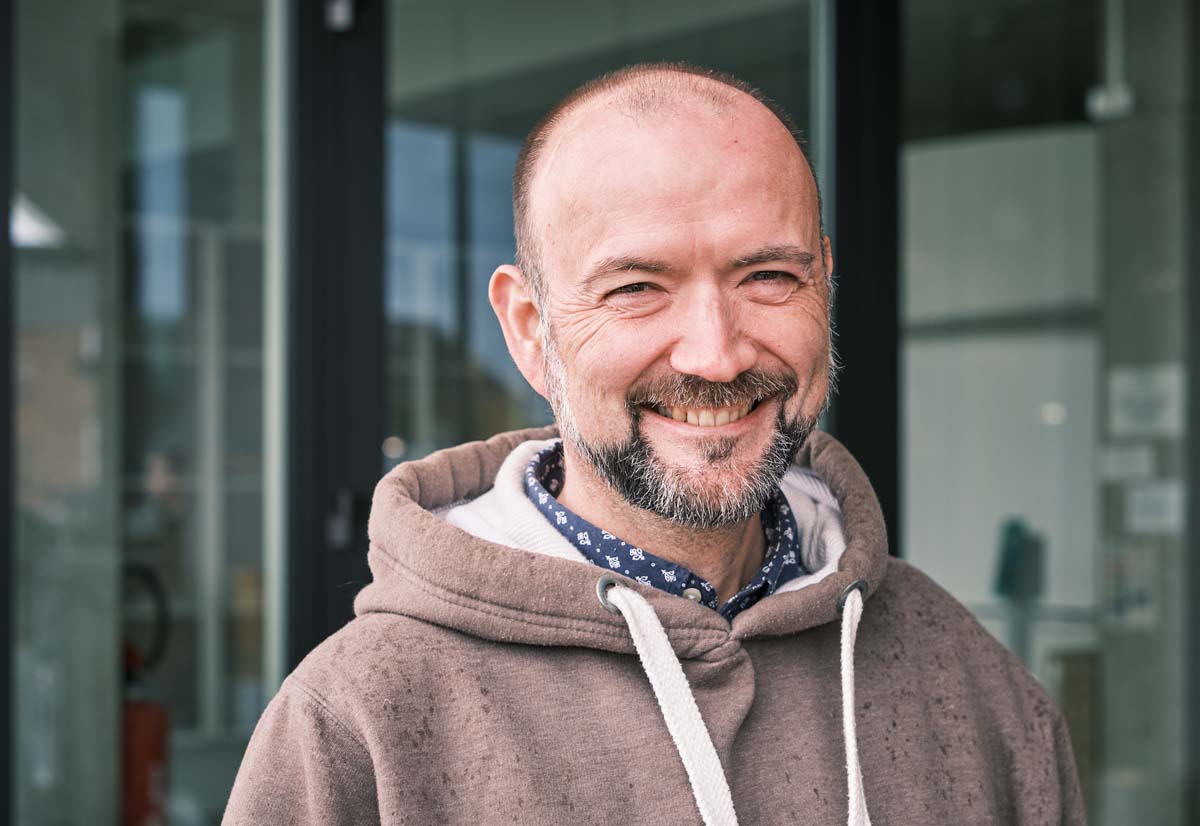
carrie_stop.webp120.68 KBCarrie Mitchell, University of Waterloo associate professor, and her a campaign called Speed Cameras Save Lives (photo: Kendra Seguin/CBC)
Want to know more about this project? Feel to free to get in touch.